Phoenix Business Brief Podcast logo
← Phoenix Business Brief

2026-08-05 · Pici and Pici Onc

Mastering Sales: Joe Pici Shares Secrets to Success in an AI Era

with Joe Pici, Ownder/CEO — Pici and Pici Onc

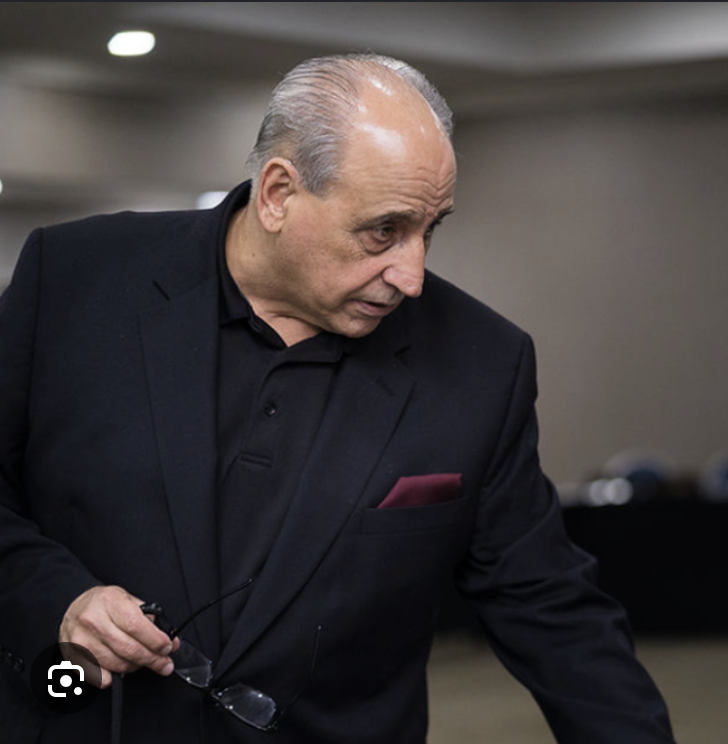
Phoenix Business Brief Podcast episode featuring Joe Pici discussing Mastering Sales: Joe Pici Shares Secrets to Success in an AI Era

In the latest episode, Joe Pici, Owner and CEO of Pici and Pici, discusses effective sales strategies, lead generation, and the importance of human interaction in an AI-driven world. Pici emphasizes the significance of scripting and preparation in overcoming sales challenges and outlines key non-negotiables for successful sales practices. He also highlights the need for business owners to understand the sales process to maintain brand integrity and drive revenue.

Mastering Sales: Joe Pici on Lead Generation, Scripting, and the Human Advantage in an AI World

0:00 / 0:00

Mastering Sales: Joe Pici on Lead Generation, Scripting, and the Human Advantage in an AI World

Sales Expert Joe Pici Discusses Strategies for Success in an AI-Driven World

In a recent episode of the Phoenix Business Brief podcast, Joe Pici, owner and CEO of Pici and Pici, Inc., shared insights on lead generation, sales scripting, and the importance of human interaction in an increasingly automated world. Pici, ranked the number one sales trainer by Global Gurus in 2021, emphasizes the necessity of mastering sales skills to thrive in today’s competitive environment.

Pici's journey into sales began after a career as a college football coach. Following his dismissal from coaching, he faced significant financial challenges, including $350,000 in medical debt. He turned to sales, seeking tactical training that was often lacking in the industry. "Most of the stuff out there was more motivational strategy," he said. Over time, he developed a passion for breaking down sales processes into teachable skills.

In 2000, Pici transitioned to full-time coaching and consulting. He identified gaps in sales training, particularly the difficulty many salespeople face in securing appointments. His approach includes live outbound telephone call training, which focuses on consultative techniques rather than traditional telemarketing methods. "The hardest thing about sales is getting appointments with real people in real time," he noted.

The Role of Scripting in Sales

Pici advocates for the use of scripting in sales, arguing that many sales professionals struggle because they lack a clear message. "They think they can wing it," he said. His training involves extensive preparation, helping participants understand their target market and develop effective messaging. This preparation, he claims, reduces fear and increases confidence when making calls.

Pici also outlined eight non-negotiables for successful sales, including clarity about financial goals, ambition, self-discipline, and effective communication. He believes that consistently applying these principles can significantly boost income.

Adapting to Artificial Intelligence

As artificial intelligence (AI) continues to influence various industries, Pici emphasizes the importance of maintaining a human touch in sales. He recently spoke to a group of electrical contractors about the "human advantage in an AI world." Pici argues that while AI can enhance efficiency, it cannot replace the emotional connections essential for successful sales. "If I can't outsell a robot, I need to get out of business," he stated.

He believes that effective communication skills will be vital for sales professionals to differentiate themselves from AI-driven interactions. "You're not going to build know, like, and trust through technology," he explained.

Navigating the Sales Process

Pici outlined a structured sales process that includes understanding the product, defining the target market, and creating compelling value propositions. He emphasizes the importance of lead generation and making outbound calls to qualify prospects. "Sales process doesn't depend. You lock it in," he advised, stressing that business owners should understand their sales processes to avoid potential pitfalls.

He also addressed the common challenge of dealing with gatekeepers. Pici teaches salespeople to treat gatekeepers with respect and to engage them as if they were the decision-makers. This approach, combined with strategic scripting, can help navigate past these barriers.

Conclusion

Joe Pici's insights highlight the evolving landscape of sales in an AI-driven world. His emphasis on human interaction, effective communication, and structured sales processes provides a framework for professionals seeking to enhance their sales skills. As businesses continue to adapt to technological advancements, the principles Pici advocates may prove essential for long-term success.

For more information about Pici's training programs, visit his website at piciandpici.com.

Interview Q&A

Q&A: Mastering Sales: Joe Pici on Lead Generation, Scripting, and the Human Advantage in an AI World

Mastering Sales: Joe Pici on Lead Generation, Scripting, and the Human Advantage in an AI World

Q: Can you tell us about your company and what you do?

A: We specialize in helping companies and individuals generate quality leads, book appointments with decision makers, and increase closing ratios. We also work with speakers, coaches, trainers, and consultants on how to monetize their intellectual property and talent.

Q: What is your background that led you to become a sales trainer?

A: I was a college football coach who got fired and faced significant debt. I entered the sales business part-time and sought tactical skill training. Over time, I embraced sales and transitioned to full-time speaking and coaching in 2000, focusing on helping salespeople secure appointments and understand the business side of their talents.

Q: What is the main challenge that new salespeople face?

A: New salespeople often struggle with knowing what to say. Many think they can wing it or rely on gadgets. I emphasize the importance of scripting and preparation, which helps reduce fear and increase confidence when making calls.

Q: What are some non-negotiables for successful sales?

A: There are eight non-negotiables, including creating clarity about financial goals, having ambition and self-discipline, being master communicators, and generating leads daily. These factors are essential for tripling income in 90 days.

Q: How is AI affecting the sales world?

A: Many companies are turning interactions over to AI. However, I believe that strong communicators who understand technology will dominate. Human-to-human interaction remains crucial, especially for building trust and emotional connections.

Q: Why is the human advantage necessary in sales?

A: You cannot build trust through technology. Buying decisions are emotional, not purely task-oriented. Personal interactions are essential for successful sales.

Q: Can you outline the sales process you recommend?

A: The sales process includes knowing your product, defining your target market, creating value propositions, generating leads, making outbound calls, conducting quality sales meetings, and following up. It’s a systematic approach that helps close deals effectively.

Q: How do you advise handling gatekeepers?

A: We treat gatekeepers with respect and use a strategic script to engage them. We do not manipulate or play games; instead, we are direct and polite.

Q: When should objections be handled in the sales process?

A: Objections should be addressed during the sales meeting, not while trying to secure an appointment. A quality consultative meeting can often resolve objections before reaching the proposal stage.

Q: Why should business owners learn the sales process?

A: Business owners often make the mistake of delegating sales without understanding the process themselves. Knowing the sales process is crucial for maintaining brand integrity and ensuring effective communication with prospects.

Q: What training programs do you offer?

A: We offer a three-day sales training boot camp, which has been ranked number one. We also have a speaker boot camp and provide corporate training, private coaching, and both live and virtual sessions.

Q: How can listeners get in touch with you?

A: Listeners can text "SalesEdge" to 59925 for a free webinar or call 407-947-2590 for a complimentary assessment of their sales process. More information can be found on our website, piciandpici.com.

Key takeaways

  • The hardest thing about sales is getting appointments with real people in real time.
  • If a person that's a great communicator and understands technology will dominate.
  • You're not going to build know, like, and trust through technology.
  • Sales process doesn't depend. You lock it in.
  • If they would do these non-negotiables every day, they will triple their income in 90 days.

About the guest

Joe Pici

Ownder/CEOPici and Pici Onc

Full transcript

Show full transcript
[00:00] Bryan Hyde: Welcome to the Phoenix Business Brief podcast. I'm Bryan Hyde. Today I'm joined by Joe Peachey from Peachey and Peachey, Inc. And Joe, it's wonderful to have you on the program. For those who don't know who you are or what you do, take a moment to tell us about both of those things. [00:16] Joe Pici: Well, we specialize in helping companies and individuals generate quality leads, book appointments with decision makers, increase closing ratios, uh, really negotiate higher fees. And so we do that in every single business market, but we also work with speakers, coaches, trainers, and consultants not on how to deliver but how to monetize their intellectual property and their talent. [00:46] Bryan Hyde: So I guess this, this would explain in part why you have been ranked number one sales trainer in the world by, by Global Gurus. [00:54] Joe Pici: Yes, sir. [00:55] Bryan Hyde: That's quite a distinction. Now, um, let's start first of all with a little bit of your background. Um, this is— these are skills that have to be attained and sharpened and developed. Um, tell me a little bit about the journey that brought you to where now you are the guy that people turn to when they want to develop their sales skills. [01:11] Joe Pici: Well, I'm an old guy, so I'm not going to take you back too far. But so I was a football coach, okay, and got fired as a college football coach, as many do. But we were about $350,000 in medical debt. So I got another coaching job, but part-time I got in the sales business and really looked for good tactical skill training. But most of the stuff out there was more motivational strategy, which was fine. So lumps and lumps paid off all our debt in 4 years. Okay, and, uh, really embraced it and really enjoyed. But what I really enjoyed was, as a— just like a football coach, I enjoyed breaking sales down into processes and skills. I don't think you can duplicate charisma or talent, and you can't teach it. So we did that for a while, and then in 2000, we decided to go full-time in our speaking, coaching, training, consulting business. But what we did was we looked at what did sales trainers not want to train and what did, what did salespeople not want to learn? Okay. And the hardest thing about sales is getting appointments with real people in real time. Okay. For the right reasons. So one of the cornerstones of our training is we do live outbound telephone call training. Not like a telemarketer, but very consultative to set appointments. So that brought us up to our sales thing. And then we saw a lot of speakers, coaches, and trainers that had spent exorbitant amount of money in licensing and things like that, but they weren't making money. So we knew that they were talented and gifted, but they didn't understand the backend. You know, how do you build a profitable business that way? And that's happened over the years. In 2021, I was ranked the number one sales trainer by Global Gurus. Don't know how I got that, but what's more important to us is our sales training boot camp or workshop has been ranked number one in the world four or five straight years. That means more to us because that means our process is working. [03:41] Bryan Hyde: So talk to me a little bit about the the live phone call training, and I I just. I'm curious, when people go into sales, I mean, it takes— sales is not for everyone. But what's the thing that even those who gravitate towards sales tend to get hung up on the most? Is it the fear of making a cold call, the fear of making an ask? Where do they tend to stumble most reliably? [04:07] Joe Pici: Well, that's a great question. Where they stumble is they don't know what to say. You know, it's like they think they wing it, uh, or they try to use gadgets or tricks. I'm very big on scripting, okay? And, and I know people say, well, I don't like scripts. Hey, the best Italians, the best actors in the world are Italian, you know, Pacino, De Niro, Stallone. But they're all scripted. They don't ad-lib. And so what people have to know is if, if they get a great message And so we don't just throw them on the phone. It takes 6 hours of digging into their target market, the what resonates with that target market, how to navigate the gatekeeper, what to say, how to say it, and so what their uniqueness is. So when we get done with this prep work, a lot of the fear is dissipated because They have messaging for anything they're going to hear on the other side of the phone. And in our sales boot camp, we'll get— we allow 24 people, we'll get 18 different industries, and we'll get people that majority of the time have not used the phone. And we have about an 85% conversion to appointment. We'll get through 92% of the gatekeepers. But, but the key to the whole thing is this. [05:36] Bryan Hyde: Yeah. [05:37] Joe Pici: Do people have the non-negotiables for their business development or sales? Because it's been my experience that people will negotiate with non-negotiables. [05:50] Bryan Hyde: So give me an example of what, what non-negotiables might look like. [05:55] Joe Pici: Okay, I got 8 of them. Number 1, they have to create clarity. So what does that mean? They have to know how much money they need to generate They have to know when, and they have to know why they need to generate that money. That's the foundation. From there, they have to bring to the table ambition and self-discipline. Not talent, not charisma, but ambition and self-discipline. Without those 2 things, they will quit. Okay, now above that, they've got to be master communicators. We are master trainers of DISC, the human behavior model. And so because of AI, because of all the stuff out there, people have become not so good at communications. And so really that's important. But then the top 4, I call them the big 4. Every day they need to generate prospect leads. Every day they need to make a certain amount of outbound calls. Not to sell, not to book an appointment, but to qualify. The third thing up there, which would be number 7, is how many quality sales meetings, or what we call core stories, are they doing every 30 days? How many real quality meetings are they doing? And the fourth thing is priority and time management. Right there you have 8 non-negotiables. And I contend this: if they would do these non-negotiables every day, they will triple their income in 90 days. [07:36] Bryan Hyde: Joe, you mentioned AI, and, and that sparked some curiosity because so much is changing right now due to, you know, artificial intelligence. How is it affecting the sales world and what kind of things do we have to adapt to in order to not be overtaken by AI? [07:55] Joe Pici: I just spoke to 120 electrical contractors, the owners, and the topic of my message was human advantage in an AI world. So many companies are turning their interaction with people over to AI, whether it's inbound or outbound. Look, if I can't outsell a robot, I need to get out of business. And so just by not swimming down the same stream and learning, I believe this, if a person that's a great communicator and understands technology will dominate. [08:43] Bryan Hyde: Yeah. [08:44] Joe Pici: I think you have to know what the AI is going to be good for. Different industries will use it different ways. But I think when it comes to people-to-people interaction, it needs to be people-to-people. [08:55] Bryan Hyde: You know, as you say that, I think about the last time I had to go onto, you know, the telephone to try to reach customer service. And it feels like that's when I feel most like I'm in a world of robots and there's no human beings to talk to. What is it about that human advantage that is so necessary in the world of sales? Why, why is it a must-have component of a successful sales program? [09:23] Joe Pici: Well, a couple things. Number one, you're not going to build know, like, and trust through technology. Number two, even if a person is task-oriented, the moment they make a buying decision, that is an emotional thing. That is not— you know, even though people can be task-oriented, it takes an emotional decision Which you cannot create with a robot. So, you know, I answer my own phone. I, I, beside doing all the speaking, coaching, training, I do all my own selling, and I average 75 proposals a month. Those people hear from me, okay? About 80% of our business is coming from LinkedIn, okay? But I don't write DMs, and I don't talk about people's stuff. I get people off of LinkedIn and on the phone as quickly as possible. [10:21] Bryan Hyde: Nice. Let's, uh, let's briefly walk through the sales process, and, and let— we can start with, you know, where, where to find leads. I know for, for someone who is out there prospecting, that's got to feel daunting. What, what's some of the hard-won wisdom you'd want them to know? [10:35] Joe Pici: Sales process, the Peachy and Peachy sales process. Okay, number one, you got to know your product and service. So what am I selling? Okay, that's the first thing. Number 2, who do I want to sell it to? Which is define your target market. Okay, number 3, create the right messaging or what we call value propositions. So you got your product, right? You've got who am I selling it to? You have your value propositions, which is basically what's in it for them. Then you look at, where do I find my prospects? Now I go into lead generation. We have 17 ways we generate leads. Okay, so once you have your leads, step number 5, how many outbound calls am I making to qualify and get a meeting? Once I do that, the next one is your really good sales meetings. [11:35] Bryan Hyde: Yeah. [11:37] Joe Pici: At the end of my sales meeting, I will say, do you want a formal proposal? Not, can I send you a proposal? 2 different animals. It increases closing ratios. Do you want a formal proposal? Once it goes to proposal, you follow up. Follow-up will either take you to a dark closet. Follow-up will take you to another meeting. Follow-up will take you to a decision. We should never be worried about a decision. Once you follow up and you close the deal, then do you use a contract? How do you, you know, how do you execute that? Then you deliver your product and/or service, and then you continuously follow up. I have clients for 20, 25 years because I never stop following up and I stay in touch with them. So that's a great process to follow. [12:38] Bryan Hyde: Let's talk a little bit about gatekeepers. Anyone who's in sales is going to run into the gatekeeper from time to time. What do you teach about, you know, the gatekeeper's purpose and how to get past them? [12:51] Joe Pici: Let me say this. We have a strategic script for that that I can't give out because that's something that people come from all over the world to get that. But we don't manipulate, we don't play games like, uh, send people a shoe and I got my foot in your door. It is very direct, politely direct. But I will tell you this, we treat the gatekeeper like they're the owner of the company. [13:17] Bryan Hyde: That sounds like a smart approach. [13:22] Joe Pici: And if you come to my boot camp, you will get every script that will get you to the decision maker. [13:28] Bryan Hyde: And, and when you, uh, when a person is making, you know, a sales pitch, when they finally, you know, make, make the ask, um, I mean, there's, there are, there are often objections. Do you, do you— I realize there are proprietary things you're not gonna, you know, be just, just giving out here, but, um, Do you prefer to see people try to anticipate and defeat objections before they come up, or do you wait until someone actually gets one? [13:55] Joe Pici: Hey, that's another great question. First of all, I don't overcome objections to get an appointment. Now, nobody likes that I say that because all these sales coaches out there say, well, you gotta keep pushing till you get the meeting. And you'll get a lot of no-shows, you'll get a lot of cancellations. I haven't had a cancellation or a no-show In 25 years. Why? Because the meeting is their idea. Where the objections need to be handled is in the meeting. And if you— I have a 5-step process in the meeting. I can do it in 5 minutes. I can do it in an hour, depending on who and how. But if you do a quality sales consultative meeting, You will overcome most of the objections before you get to the end. Just like I train negotiation, you— negotiation starts the minute you make your first approach to anything. I also train conflict resolution, which is a big part of negotiation. So many people think you wait till the end to do that. No, negotiation Happens all along the way. [15:12] Bryan Hyde: And let's talk about the applicability of these sales skills. I mean, some people get in their minds, and I know I've had this mindset before, well, you know, that's a, that's a problem for sales. But in reality, if you're an entrepreneur, if you're an executive, if you're anybody who has something to persuade others to buy into, it sounds like you You've got to have, you've got to have a really good sales game. [15:38] Joe Pici: Well, I think owners of companies make a mistake because they relegate sales to other people and they've never learned the sales process themselves. We need to understand that you can destroy your company if your salesperson just does whatever they want. Your first point of contact With a prospect is sales. If they say the wrong thing in the wrong way, you can destroy a brand. So whether you're a small, medium, or large companies, OK, I believe small and small-medium companies, the owner of the company should learn to sell. There's going to be times your salesman quits or saleswoman leaves or whatever. Somebody's got to keep the ball going. OK, so That level, and even the sales manager. Many times a person will put a sales manager in place that hasn't sold in 20 years. I think a sales process needs to be— I do some fractional sales management, okay, where I'll work in companies and I'll manage their sales team, their sales process. And many times I find out that the owner really doesn't understand their own sales process. I've gone into thousands of companies where I'll hand whoever I'm selling to the pen and say, write down your sales process. 98% of the time they go, well, it just depends. Sales process doesn't depend. You lock it in. And so if I'm speaking to owners today, I would recommend you learn your sales process and skills. There's a difference between process and skills. [17:25] Bryan Hyde: Yeah. [17:25] Joe Pici: But sales skills can be taught to anyone that wants to sell. [17:30] Bryan Hyde: So let's, uh, we've got just a couple of minutes left here. Again, talking with Joe Picci. Tell me a little bit about what is offered through Picci and Picci Incorporated. Um, what's, what's the span of, of training that you offer, events and so forth? [17:46] Joe Pici: Okay, first of all, I have a gift for your listeners. So if they take out their cell phone and they go into the text box and they write SalesEdge, one word, S-A-L-E-S-E-D-G-E, and they text it to 59925. That'll take them to a splash page, peachy and peachy. Hit the link. If they hit the link, okay, they will go to a, a page that they'll put an email in, they'll get a free 45-minute Webinar. That's number one. Number 2, anybody has a question and would like a complimentary cup of joe, 407-947-2590. Now let's get to, uh, the— a couple things I'll share. You can go to our website, go to my LinkedIn, but the core of our business starts with our 3-day sales training boot camp, and that's been ranked number one. And that we do that a couple times a year. We have one coming up in October. We're already 75% sold out. If you want information on that, get in touch with me. Okay. Also, we have a 3-day speaker boot camp, which is really the business of speaking training and coaching. And so October 19th, 20th, 21st is sales. 22nd, 23rd, 24th is the speaker boot camp. I do corporate training. I do private coaching. I do live. I do virtual. But the most important thing is if people out there want to get a complimentary assessment on their sales process and what it's going to take to get an unfair advantage over their competitors, feel free to give me a call, 407-947-2590. [19:37] Bryan Hyde: And of course you do have a website, piciandpici.com. If you would, would you spell that for us? Just, you know, for the sake of those— [19:42] Joe Pici: It's P-I-C-I-A-N-P-I-C-I. A-N-D-P-I-C-I dot com. That's our first website. We also have a second one called, one word, sellmorevirtually.com. There's also a free webinar if you go on that site. [19:58] Bryan Hyde: Again, we are talking with Joe Pici. He's the owner of Pici and Pici Inc. And thank you so much for your time today. I can see why, I can see why you're a guy who's in high demand. Thanks for joining us on the Phoenix Business Brief podcast. [20:13] Joe Pici: Thank you.

Filed under

Related episodes